A Comprehensive Guide to Bicycle Safety
 Athenatus Ricky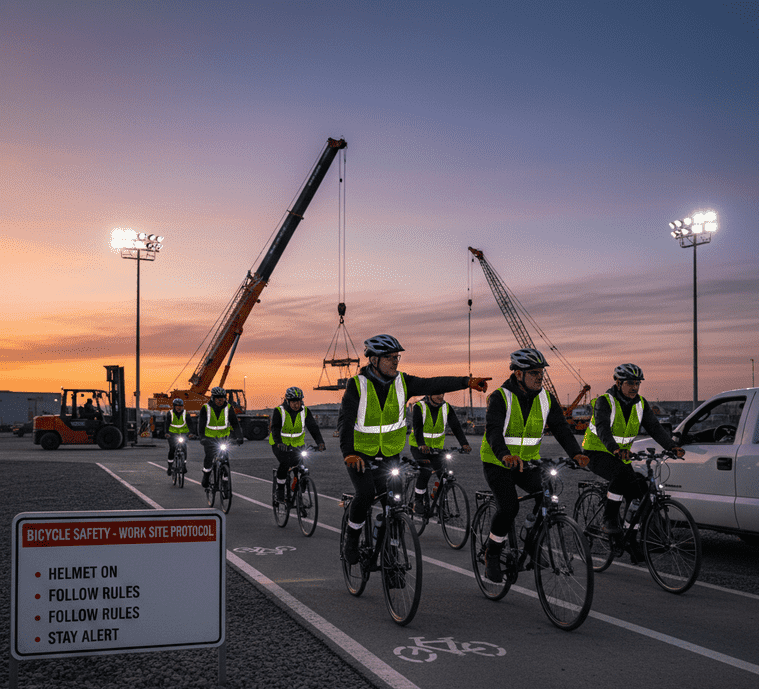
Introduction
Bicycle Safety in the Modern World
Bicycle safety is no longer just a concern for weekend hobbyists or children in suburban neighborhoods. With more organizations embracing sustainable transport and industrial sites integrating cycling for internal mobility, the stakes have risen significantly. Riding a bicycle now requires the same rigorous discipline, planning, and attention to detail as any high-risk construction or industrial activity.
Treating the bicycle as a serious vehicle rather than a toy changes how we approach safety. It fosters a culture of accountability that protects not only the rider but also other road users and coworkers. This guide serves as a foundational manual for integrating bicycle safety into both daily commuting and workplace operations. By following these principles, every rider can reduce risk, build confidence, and create a safer environment for everyone.
Helmet Use
Protecting Your Most Important Asset: Your Head
The most critical line of defense for any cyclist is the personal protective equipment they wear. Helmets, while unable to prevent accidents, are the only piece of equipment capable of preventing life-altering traumatic brain injuries during a fall or collision.
A helmet must fit properly, sitting level on the head. It must be fastened securely under the chin. Helmets should also be replaced after any significant impact or if they show visible damage.
Beyond the helmet, additional protective gear further enhances safety. Shatter-resistant eyewear shields the eyes from dust, debris, and insects, while padded gloves improve grip and protect the palms in the event of a slide. In industrial environments, reinforced footwear adds an extra layer of protection against heavy objects or site-specific hazards.
Prioritizing protective gear is not just a personal choice. It sets a standard for safety in any organization. Every rider who equips themselves responsibly contributes to a culture of accountability and reduces the likelihood of serious injury.
Following Road Rules at Work Sites
Adhering to Protocols for Safety
Work sites are dynamic environments where rules are not merely suggestions. They are life-saving protocols. Cyclists must obey all posted speed limits, stop signs, and directional indicators just as a motor vehicle operator would. Consistency in following these rules creates predictability, allowing operators of heavy machinery and trucks to anticipate a cyclist’s movements.
It is crucial never to assume the right of way. Every intersection should be approached with extreme caution. Cyclists must respect no entry zones and stay within designated cycling corridors to avoid accidental incursions into high-risk areas where lifting operations or hazardous activities are underway. By treating the work site as a shared space that requires discipline and awareness, cyclists reduce the risk of collisions and contribute to a safer operational environment.
Visibility with Reflective Gear
Being Seen Is Just as Important as Seeing
In environments filled with visual noise, visibility is a cyclist’s primary proactive safety measure. High visibility vests with reflective strips ensure that a rider stands out against the backdrop of a busy work site or dimly lit road. Active lighting, including a bright white front light and a pulsing red rear light, should be used even during daylight hours to increase awareness.
Reflective tape on pedals and wheel rims creates a moving light pattern that is more easily recognized as a bicycle. This significantly reduces the risk of side-impact collisions. In addition, choosing bright clothing and accessories enhances visibility, ensuring that cyclists remain noticeable in all types of weather and lighting conditions. Prioritizing visibility is a small effort that produces large safety benefits, protecting the rider and improving overall site awareness.
Maintenance of Bicycles
Keeping the Machine in Top Condition
A bicycle is a machine, and like any machine used professionally, it requires a strict maintenance routine. Regular servicing ensures that critical components such as the drivetrain, chain, and gear shifters operate smoothly and reliably. Neglecting maintenance can lead to mechanical failures at the worst possible moment, such as a chain snapping during a hill climb or a gear slipping while crossing an intersection.
Keeping the bicycle clean and well-lubricated not only extends its lifespan but also allows the rider to spot early signs of wear or damage. Hairline fractures in the frame, worn-out brake pads, or loose bolts can be identified before they become catastrophic. A well-maintained bicycle is not only safer to ride but also performs more predictably, giving the rider confidence and reducing the likelihood of accidents caused by mechanical failure.
Sharing Roads with Vehicles Safely
Understanding the Disparity and Riding with Awareness
The difference in size and weight between a bicycle and a commercial vehicle makes vigilance essential. Sharing the road safely requires understanding the blind spots, or no zones, surrounding large trucks and trailers. Cyclists should avoid lingering near the rear wheels or directly in front of the cab of a large vehicle. Maintaining a buffer of at least one to two meters of lateral space is recommended whenever possible.
When a vehicle is turning, the cyclist should stay well behind it rather than attempting to pass inside the turn. Many accidents occur when a vehicle hooks a cyclist during a turn, and maintaining distance reduces this risk. Awareness of traffic flow, anticipating vehicle movements, and keeping clear of high-risk zones allow cyclists to coexist safely with larger vehicles and prevent collisions that could result in severe injuries.
Defensive Riding Techniques
Anticipating the Mistakes of Others
Defensive riding is the practice of anticipating potential hazards and positioning yourself to avoid them. This means constantly scanning the environment, not only looking at the road ahead but also monitoring parked cars where doors might swing open and driveways where vehicles could suddenly emerge. A defensive rider assumes they are invisible to other drivers and rides accordingly, always keeping an escape route in mind.
Maintaining a secondary line rather than hugging the edge of the road provides room to maneuver around obstacles without swerving into the path of moving traffic. Defensive riding is about vigilance, awareness, and preparation. By staying alert and predicting potential risks, cyclists can reduce the likelihood of accidents and react effectively to unexpected situations.
Pre Ride Safety Checks
Ensuring the Bicycle Is Fit for Purpose
Before mounting the bicycle, a systematic inspection is essential to ensure it is safe for the ride. The industry-standard approach is the ABC Quick Check, which stands for Air, Brakes, and Chain. First, tires should be inflated to the recommended pressure to prevent flats and ensure optimal handling. Second, both front and rear brakes should be tested to confirm they engage firmly and that brake pads are not excessively worn. Finally, the chain should be free of debris, and quick release skewers on the wheels must be locked securely.
This simple thirty-second routine prevents the majority of common cycling accidents. Regular pre-ride checks build a habit of safety and allow riders to identify minor issues before they become serious problems. By committing to this practice, cyclists increase their confidence and reliability on the road or work site.
Safe Riding Behavior and Skills
Mastering the Bicycle Beyond Balance
Riding a bicycle safely requires more than simply maintaining balance. It demands the development of technical skills and disciplined behavior. Safe riding behavior includes using clear and predictable hand signals well in advance of turns or stops. Signaling communicates intentions to other road users, preventing confusion and potential collisions.
In situations where the road is too narrow for a vehicle to pass safely, taking the lane is a necessary skill. This prevents dangerous squeezing maneuvers and ensures the cyclist remains visible and protected. Other essential skills include emergency braking, which involves shifting weight backward to prevent flipping over the handlebars, and slow-speed balance, which allows the cyclist to navigate congested areas without dismounting. Mastery of these skills empowers cyclists to ride confidently and safely in a variety of environments.
Speed Control and Distance Awareness
Adjusting Speed to the Environment
Speed should always be dictated by the conditions rather than the rider’s urgency. In crowded pedestrian zones or near heavy machinery, cyclists should slow to a walking pace to maintain safety. Distance awareness is equally important. Following too closely behind another cyclist or vehicle removes the time needed to react to sudden stops or hazards.
Maintaining a two-second following distance provides enough space to brake safely even on slick or uneven surfaces. Consistent speed control not only reduces the risk of accidents but also lessens physical strain, allowing the rider to make better decisions. By combining awareness of speed with proper distance management, cyclists create a safer environment for themselves and others around them.
Weather and Environmental Conditions
Adapting to Nature’s Challenges
Environmental factors can significantly affect bicycle safety. Rain reduces tire traction and increases braking distances, requiring the rider to begin slowing down much earlier than usual. Crosswinds can destabilize a cyclist, especially those carrying panniers or using deep rim wheels. Extreme heat can lead to exhaustion, while cold weather can reduce finger dexterity, making braking and gear shifting more difficult.
Cyclists must adjust their equipment and riding style to match prevailing conditions. Using fenders during rain, thermal gloves in cold weather, and hydration strategies in heat are essential steps. By respecting environmental factors and adapting accordingly, riders maintain control and minimize the risk of accidents caused by weather-related challenges.
Work Site Specific Hazards
Navigating Industrial Risks
Operating a bicycle within an industrial or construction site introduces unique hazards. These include cattle guards, rail tracks, loose gravel, and uneven surfaces. Crossing tracks should always be done at a ninety-degree angle to prevent tires from getting caught. Riders must also be cautious of silent hazards such as electric vehicles or forklifts that produce minimal noise.
Strict adherence to on-site signage is crucial. Cyclists must never ride underneath suspended loads or crane operations. Awareness of overhead hazards, moving machinery, and uneven surfaces helps prevent accidents. By understanding and respecting the specific dangers present in work sites, cyclists create a safer environment for themselves and their coworkers.
Fatigue and Fitness Awareness
Recognizing Physical Limits
Physical readiness is a key factor in safe cycling. A fatigued rider has slower reaction times and impaired judgment, similar to the effects of exhaustion or illness. Cyclists must monitor their fitness levels and recognize when they are too tired to ride safely. Proper hydration and nutrition are critical. Even mild dehydration can cause dizziness, loss of focus, or delayed reflexes.
If a rider feels overexerted, it is important to dismount and rest rather than pushing through. Ignoring fatigue can lead to mistakes that cause accidents. Awareness of personal physical condition ensures the rider can respond effectively to unexpected hazards and maintain control in all situations.
Distraction Free Riding
Keeping the Mind and Eyes on Task
A safe cyclist remains fully attentive to their surroundings. Using mobile phones, even with hands-free devices, significantly reduces situational awareness. Headphones or earbuds prevent riders from hearing sirens, approaching vehicles, or verbal warnings from coworkers.
Staying distraction-free means relying on all senses to monitor the environment. If a call must be taken or a map consulted, the cyclist should pull over to a safe location and come to a complete stop before engaging with the device. Focused attention is critical for anticipating hazards and reacting quickly, ensuring the safety of the rider and others around them.
Parking and Securing Bicycles Safely
Ending the Ride with Safety in Mind
The end of a ride requires as much attention as the start. Bicycles should only be parked in designated racks or areas that do not obstruct walkways, fire exits, or emergency equipment. Proper parking prevents the bicycle from falling over and becoming a trip hazard for others.
Securing the bicycle with a high-quality lock through the frame and wheel ensures it remains where it was left. In a workplace setting, orderly bicycle parking reflects a culture of responsibility and respect for shared spaces. Organized and secure parking reduces clutter in high traffic areas and prevents accidents caused by carelessly left bicycles.
Emergency Preparedness and Incident Reporting
Being Ready for the Unexpected
Even with all precautions, incidents can occur. Being prepared means carrying a basic first aid kit and a small tool kit for minor repairs. In the event of a fall or collision, the first priority is to move to a safe area away from traffic.
All incidents, regardless of severity, must be reported through the appropriate channels. Reporting near misses is especially important, as these situations highlight potential hazards before they result in serious injuries. Proper incident reporting allows organizations to identify risks such as blind corners, slippery surfaces, or high-traffic areas, and implement corrective measures. Preparedness and accountability ensure that both individual riders and the broader community benefit from safer cycling practices.
Training and Awareness Programs
Continuous Learning for Safer Cycling
Safety is not a one-time effort; it is a continuous learning process. Organizations should implement formal training programs that cover both theoretical knowledge and practical skills. These programs can include road craft sessions, mechanical workshops, and awareness campaigns that educate both cyclists and other road users on how to coexist safely.
Training programs create a culture where safety is a shared value. By educating cyclists about proper techniques, hazard recognition, and emergency response, organizations reduce the likelihood of accidents. Awareness campaigns can also inform motorists and machinery operators about how to anticipate and respect the presence of cyclists. Continuous learning ensures that safety protocols remain active and effective, making cycling a reliable and secure transportation option for everyone.
Fostering a Safety Culture
Building Accountability and Responsibility
Creating a culture of safety goes beyond individual actions. It involves fostering accountability across the organization, where every rider and operator understands their role in preventing accidents. Encouraging open communication about hazards, near misses, and improvements ensures that lessons are learned collectively.
Promoting safety culture means recognizing and rewarding responsible behavior, providing clear guidelines for compliance, and continuously reinforcing safe practices. A strong safety culture transforms cycling from a risky activity into a sustainable, organized, and respected mode of transport within the workplace and community. When everyone takes ownership of safety, the entire environment becomes safer and more efficient.
Summary and Final Recommendations
Key Principles for Safe Cycling
Bicycle safety is built on a foundation of awareness, preparation, and discipline. Helmets and protective gear protect the most vulnerable parts of the body. Following rules at work sites and on public roads ensures predictability and reduces collisions. Visibility, both passive and active, allows others to see the cyclist clearly, while proper maintenance keeps the bicycle functioning reliably.
Defensive riding, pre-ride checks, and mastering essential skills help cyclists anticipate hazards and react appropriately. Speed control, distance awareness, and adaptation to weather and environmental conditions further enhance safety. Awareness of work site hazards, fatigue, distractions, and proper parking and security practices complete the framework for responsible cycling.
Practical Checklist for Everyday Cycling Safety
Before the Ride
🔹Inspect tires, brakes, and chain
🔹Check helmet fit and secure straps
🔹Ensure visibility gear is worn and lights are functional
🔹Assess personal fitness and hydration
During the Ride
🔹Follow posted rules and speed limits
🔹Maintain safe distances from vehicles and other cyclists
🔹Use hand signals and take the lane when necessary
🔹Stay alert and avoid distractions
After the Ride
- Park in designated areas and secure the bicycle properly
- Report any incidents or near misses
- Conduct routine maintenance and clean the bicycle
By following these principles and integrating safety into every ride, cyclists protect themselves and others while promoting a culture of responsibility. Consistent practice and organizational support make bicycle commuting or work site cycling both safe and sustainable.
About Rinath HSE Hub
Rinath HSE Hub is a leading platform dedicated to promoting health, safety, and environmental best practices across industries. Our mission is to equip organizations, teams, and individuals with the knowledge, tools, and resources necessary to create safer workplaces and sustainable operations.
Through practical guides, training programs, and awareness campaigns, Rinath HSE Hub empowers professionals to adopt safety-first practices, reduce risks, and foster a culture of accountability. Whether you are managing industrial sites, corporate offices, or commuting on two wheels, Rinath HSE Hub provides the insights and guidance to help you make informed, safe, and responsible decisions every day.
Stay connected with Rinath HSE Hub to access the latest resources, training modules, and expert advice that make safety a shared value for everyone.