Disaster Management in Conflict Zones: HSE Strategies During War and Armed Conflict
 Athenatus Ricky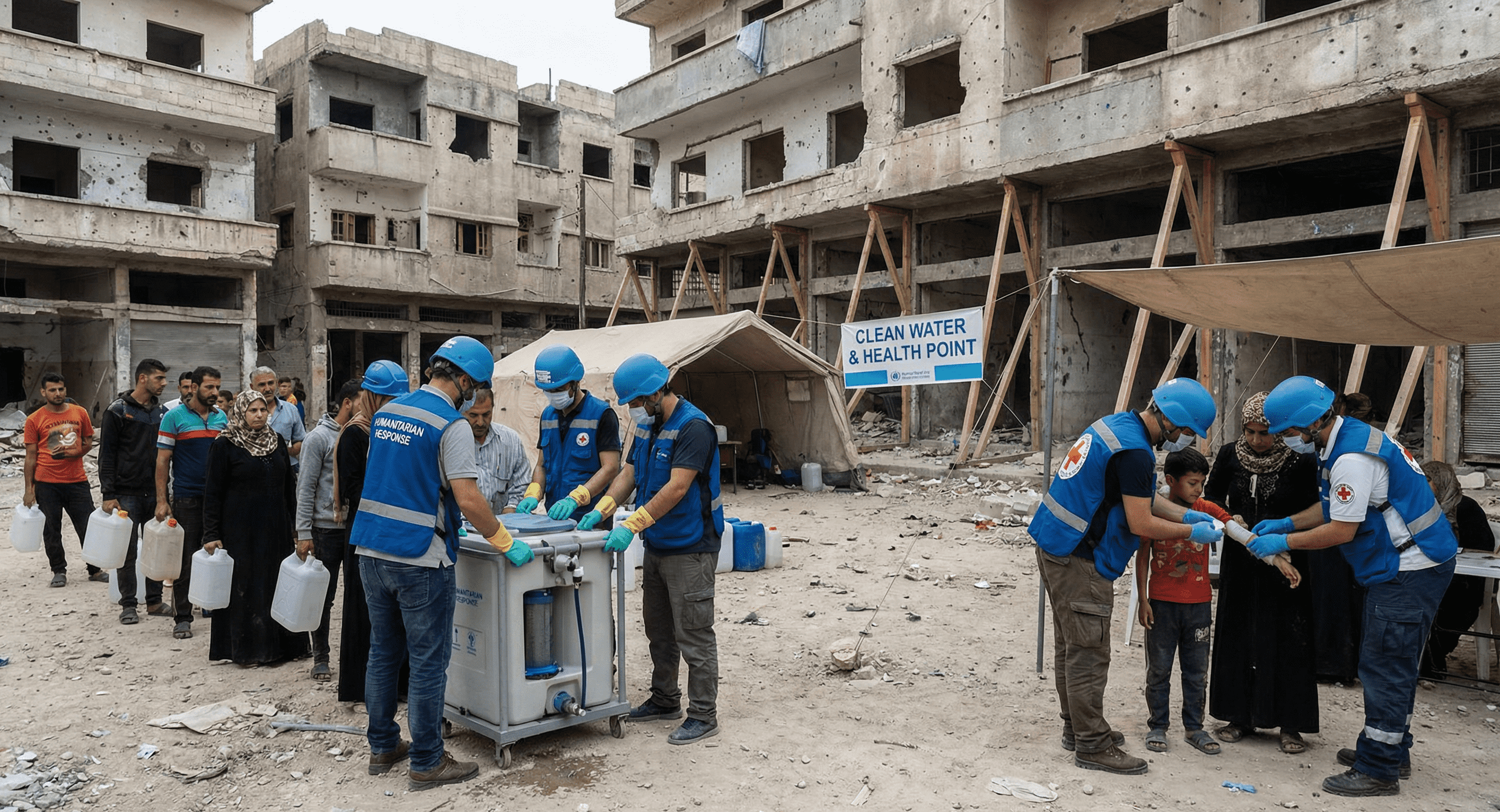
Introduction
War and armed conflict represent some of the most complex humanitarian and safety challenges faced by societies across the world. Beyond the immediate military objectives, conflicts often trigger a wide range of disasters that affect civilians, workers, infrastructure, healthcare systems, and the environment. Explosions, displacement of populations, collapse of essential services, contamination of water supplies, fires, and structural failures can rapidly turn conflict zones into large scale disaster environments.
From a Health, Safety, and Environment perspective, disaster management during armed conflict requires a different level of preparedness, coordination, and leadership. Traditional emergency response systems that function during peacetime often struggle under the extreme pressures created by war. Hospitals may be overwhelmed, supply chains may collapse, transportation systems may be damaged, and communication networks may become unreliable.
For organizations, governments, humanitarian agencies, and safety professionals, the role of HSE becomes critical in protecting lives, maintaining essential services, managing risks, and supporting recovery efforts. Effective disaster management in conflict zones requires proactive planning, risk assessment, coordinated response strategies, and continuous protection of both responders and civilians.
This article explores how HSE principles can support disaster management in war affected regions, focusing on preparedness, risk mitigation, emergency response, protection of critical infrastructure, and the role of safety leadership during armed conflict.
Understanding Disasters in Conflict Zones
Armed conflict often produces disasters that extend far beyond the battlefield. These disasters may develop suddenly or evolve over time as essential systems fail and communities struggle to cope with the impacts of violence and disruption.
Conflict related disasters frequently involve multiple hazards occurring simultaneously, which complicates response efforts and increases the risk to civilians and emergency responders.
Common types of disasters associated with armed conflict include:
🔹 Structural collapse caused by explosions or missile strikes affecting residential buildings, industrial facilities, and public infrastructure.
🔹 Large scale fires resulting from attacks on fuel storage facilities, factories, power plants, or residential areas.
🔹 Mass casualty incidents requiring urgent medical care and evacuation of injured individuals.
🔹 Environmental contamination caused by damage to chemical facilities, oil storage sites, or hazardous waste locations.
🔹 Water and sanitation crises due to damaged pipelines, sewage systems, and water treatment plants.
🔹 Displacement of communities leading to overcrowded shelters and refugee settlements.
🔹 Public health emergencies caused by poor sanitation, lack of clean water, and disruption of healthcare services.
Each of these events creates additional risks that must be managed through coordinated disaster response strategies grounded in strong HSE principles.
The Role of HSE in War Time Disaster Management
Health, Safety, and Environment management provides a structured framework for identifying hazards, assessing risks, and implementing control measures even in highly unstable environments. In conflict zones, HSE professionals play an essential role in ensuring that emergency operations are conducted safely and that humanitarian activities minimize harm to both responders and civilians.
Key contributions of HSE in conflict related disaster management include:
🔹 Identifying hazards and risks associated with damaged infrastructure, explosive remnants, fires, chemical releases, and unstable structures.
🔹 Supporting emergency response teams by establishing safe operating procedures for rescue operations and recovery activities.
🔹 Ensuring proper use of personal protective equipment by emergency responders and humanitarian workers.
🔹 Coordinating safety briefings and situational awareness for teams operating in high risk environments.
🔹 Implementing environmental protection measures to prevent further contamination of land, air, and water resources.
🔹 Monitoring health risks including exposure to hazardous substances, infectious diseases, and extreme psychological stress.
By applying systematic risk management approaches, HSE professionals help reduce secondary disasters and protect the lives of both responders and affected populations.
Risk Assessment and Hazard Identification During Armed Conflict
Risk assessment is a fundamental component of disaster management in conflict zones. Conditions on the ground may change rapidly due to ongoing military operations, infrastructure damage, and population displacement.
Effective risk assessment during armed conflict involves continuous monitoring and evaluation of hazards that could threaten emergency responders and civilians.
Important risk factors that must be considered include:
🔹 Unexploded ordnance and explosive remnants of war that may remain in damaged buildings, roads, or open areas.
🔹 Structural instability of buildings weakened by blasts or fires.
🔹 Exposure to hazardous chemicals from damaged industrial facilities or storage tanks.
🔹 Smoke inhalation and toxic gases produced by large scale fires.
🔹 Unsafe transportation routes due to debris, damaged bridges, or ongoing hostilities.
🔹 Crowded evacuation shelters that may increase the risk of disease transmission.
🔹 Psychological trauma experienced by survivors and responders.
Regular safety assessments help disaster response teams adapt their operations to evolving risks and ensure that safety remains a priority even under extreme pressure.
Emergency Preparedness in Conflict Zones
Preparedness is one of the most effective ways to reduce the impact of disasters during armed conflict. Communities, organizations, and governments that invest in preparedness measures are better equipped to respond quickly and effectively when crises occur.
Emergency preparedness strategies may include:
🔹 Development of emergency response plans that address mass casualty incidents, evacuation procedures, and communication protocols.
🔹 Establishment of early warning systems that alert communities to incoming threats such as air raids or missile strikes.
🔹 Stockpiling essential supplies including medical equipment, food, water, fuel, and protective gear.
🔹 Training emergency responders, volunteers, and community members in first aid, fire response, and evacuation procedures.
🔹 Identifying safe shelters and evacuation routes that can protect civilians during attacks.
🔹 Strengthening coordination between government agencies, humanitarian organizations, healthcare providers, and emergency services.
Preparedness efforts are essential for reducing panic, improving response efficiency, and saving lives during rapidly unfolding emergencies.
Protecting Critical Infrastructure
Critical infrastructure such as hospitals, water treatment plants, power stations, and communication networks play a vital role in maintaining basic services during crises. Damage to these systems can significantly worsen humanitarian conditions and hinder disaster response efforts.
HSE strategies for protecting critical infrastructure include:
🔹 Conducting vulnerability assessments to identify facilities that may be at risk during armed conflict.
🔹 Reinforcing essential structures to withstand explosions or shock waves where possible.
🔹 Establishing backup systems for electricity, water supply, and communication networks.
🔹 Implementing emergency shutdown procedures to prevent chemical releases or fires if facilities are damaged.
🔹 Training facility personnel on emergency response actions and evacuation procedures.
Maintaining the functionality of critical infrastructure can significantly reduce the severity of humanitarian disasters and support community resilience during prolonged conflict.
Safety of Emergency Responders and Humanitarian Workers
Emergency responders and humanitarian workers face extreme risks when operating in conflict zones. Their safety must be carefully managed to ensure that rescue and relief operations can continue effectively.
HSE measures designed to protect response teams include:
🔹 Mandatory use of appropriate personal protective equipment based on identified hazards.
🔹 Safety briefings and situational awareness updates before deployment.
🔹 Clear communication protocols between teams operating in different areas.
🔹 Monitoring of fatigue and stress levels among responders.
🔹 Access to medical support and psychological support services.
🔹 Establishment of safe zones and evacuation procedures for response teams.
Protecting responders ensures that life saving operations can continue while minimizing additional casualties.
Environmental Protection During War Related Disasters
Environmental damage is a significant but often overlooked consequence of armed conflict. Oil spills, chemical leaks, burning industrial facilities, and destroyed infrastructure can contaminate ecosystems and threaten public health for many years after hostilities end.
HSE environmental management strategies during conflict related disasters include:
🔹 Rapid assessment of environmental damage following attacks or industrial accidents.
🔹 Containment of hazardous materials to prevent spread into soil and water systems.
🔹 Monitoring air quality in areas affected by fires, explosions, or industrial damage.
🔹 Safe disposal of hazardous debris and contaminated materials.
🔹 Collaboration with environmental experts and international organizations to manage long term ecological impacts.
Protecting the environment during conflict is essential for safeguarding future recovery and sustainable development.
Psychological Safety and Community Resilience
War related disasters do not only cause physical harm. The psychological impact on communities can be severe and long lasting. Fear, grief, displacement, and uncertainty can significantly affect the mental wellbeing of survivors.
Supporting psychological safety is an important aspect of disaster management.
Key strategies include:
🔹 Providing access to psychological first aid and mental health services.
🔹 Creating safe community spaces where survivors can receive support and information.
🔹 Training responders to recognize signs of trauma and emotional distress.
🔹 Encouraging community engagement in recovery efforts.
🔹 Supporting children and vulnerable populations who may be particularly affected by conflict related trauma.
Strong community resilience helps populations recover more quickly and rebuild their lives after conflict.
Leadership and Coordination in Crisis Situations
Effective disaster management during war requires strong leadership and coordinated action across multiple organizations and agencies. Governments, military units, humanitarian organizations, emergency services, and community groups must work together to manage complex and rapidly changing situations.
Leadership responsibilities include:
🔹 Establishing clear command structures for emergency response operations.
🔹 Ensuring effective communication between different response teams.
🔹 Allocating resources based on priority needs and risk assessments.
🔹 Promoting safety culture within emergency operations.
🔹 Supporting collaboration between local and international organizations.
Strong leadership ensures that disaster management efforts remain organized, efficient, and focused on protecting lives.
Lessons for the Global HSE Community
Conflict related disasters highlight the importance of integrating safety, emergency preparedness, and resilience into national and organizational planning. While many countries may not currently experience armed conflict, the lessons learned from war affected regions provide valuable insights for improving disaster management systems worldwide.
Key lessons include:
🔹 The importance of comprehensive emergency preparedness and risk planning.
🔹 The need for resilient infrastructure capable of withstanding extreme events.
🔹 The critical role of coordination between government agencies and humanitarian organizations.
🔹 The importance of protecting both responders and civilians during emergency operations.
🔹 The value of community engagement in disaster preparedness and recovery.
By learning from these experiences, the global HSE community can strengthen its ability to respond to complex emergencies and protect vulnerable populations.
Conclusion
Disaster management in conflict zones presents some of the most challenging conditions faced by safety professionals, emergency responders, and humanitarian organizations. War intensifies the risks associated with fires, structural collapse, environmental contamination, public health emergencies, and mass displacement.
Health, Safety, and Environment principles provide a structured approach to managing these complex risks. Through effective risk assessment, preparedness planning, infrastructure protection, environmental management, and strong leadership, HSE strategies can significantly reduce the human and environmental consequences of war related disasters.
While armed conflict remains one of the most devastating events societies can experience, effective disaster management can help protect lives, support humanitarian response efforts, and build resilience within affected communities.
For the global safety community, the lessons learned from conflict zones reinforce a fundamental truth. Safety leadership, preparedness, and collaboration remain essential tools for protecting people and communities even in the most difficult circumstances.