Understanding the Globally Harmonized Symbols (GHS)
 Arun Sharma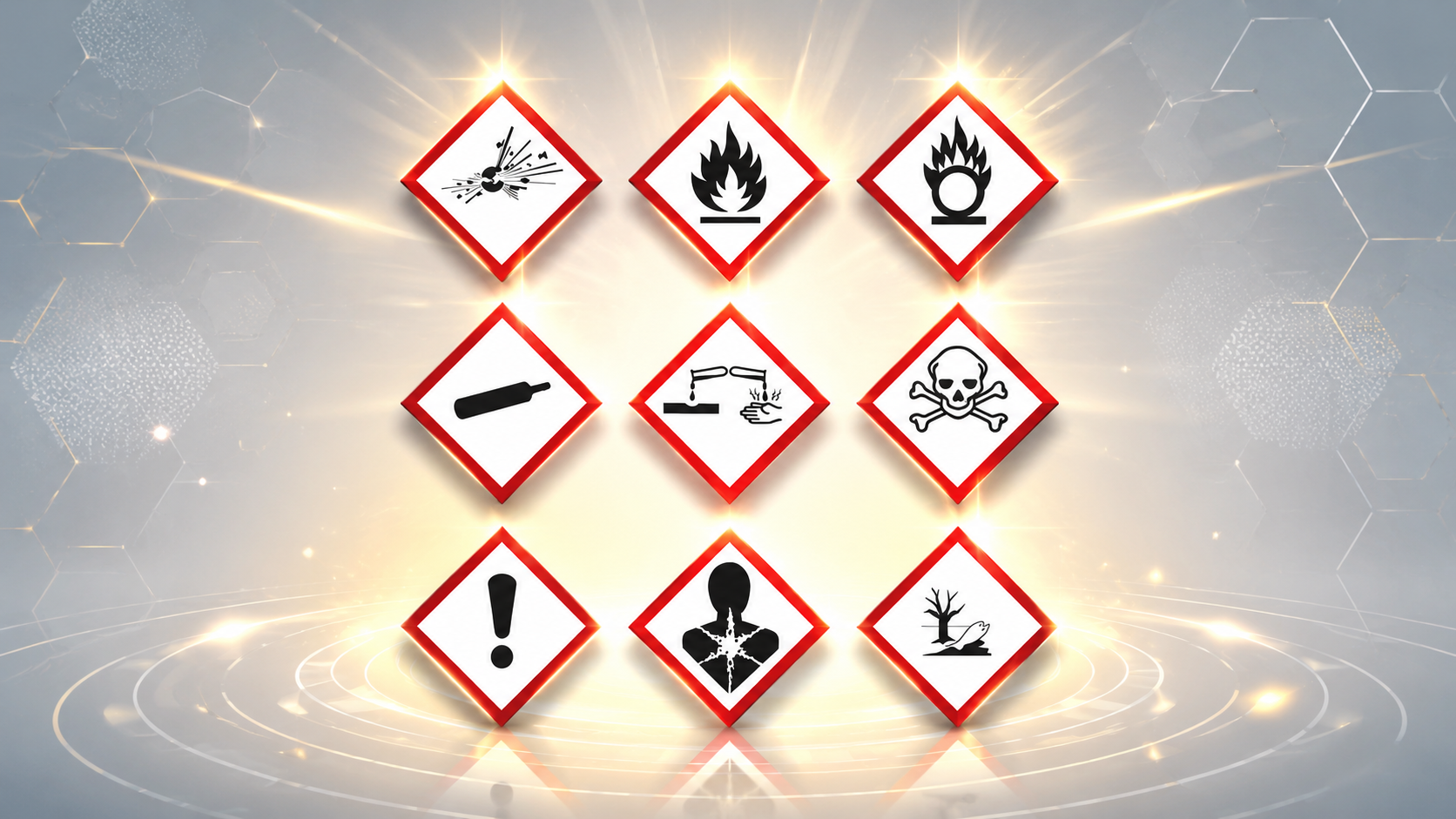
Introduction
Chemical hazards remain one of the most underestimated risks across industries. From construction and manufacturing to laboratories and maintenance activities, workers interact with chemicals daily, often without fully understanding the risks involved. This gap in understanding is exactly what the Globally Harmonized System of Classification and Labelling of Chemicals was designed to address.
GHS stands for Globally Harmonised System. GHS hazard pictograms are standardized pictograms that are the same worldwide. They provide visual information on the product label and safety data sheet to quickly inform users and promote safety. GHS symbols can be classified into three classes: physical hazards, health hazards, and environmental hazards.
Developed by the United Nations, the system provides a universal approach to hazard communication through standardized symbols, labels, and safety data sheets. At the core of this system are nine key pictograms, each representing a specific hazard class.
Understanding these symbols is not just about compliance. It directly influences how safely work is performed, how risks are controlled, and how incidents are prevented.
GHS01
Explosive
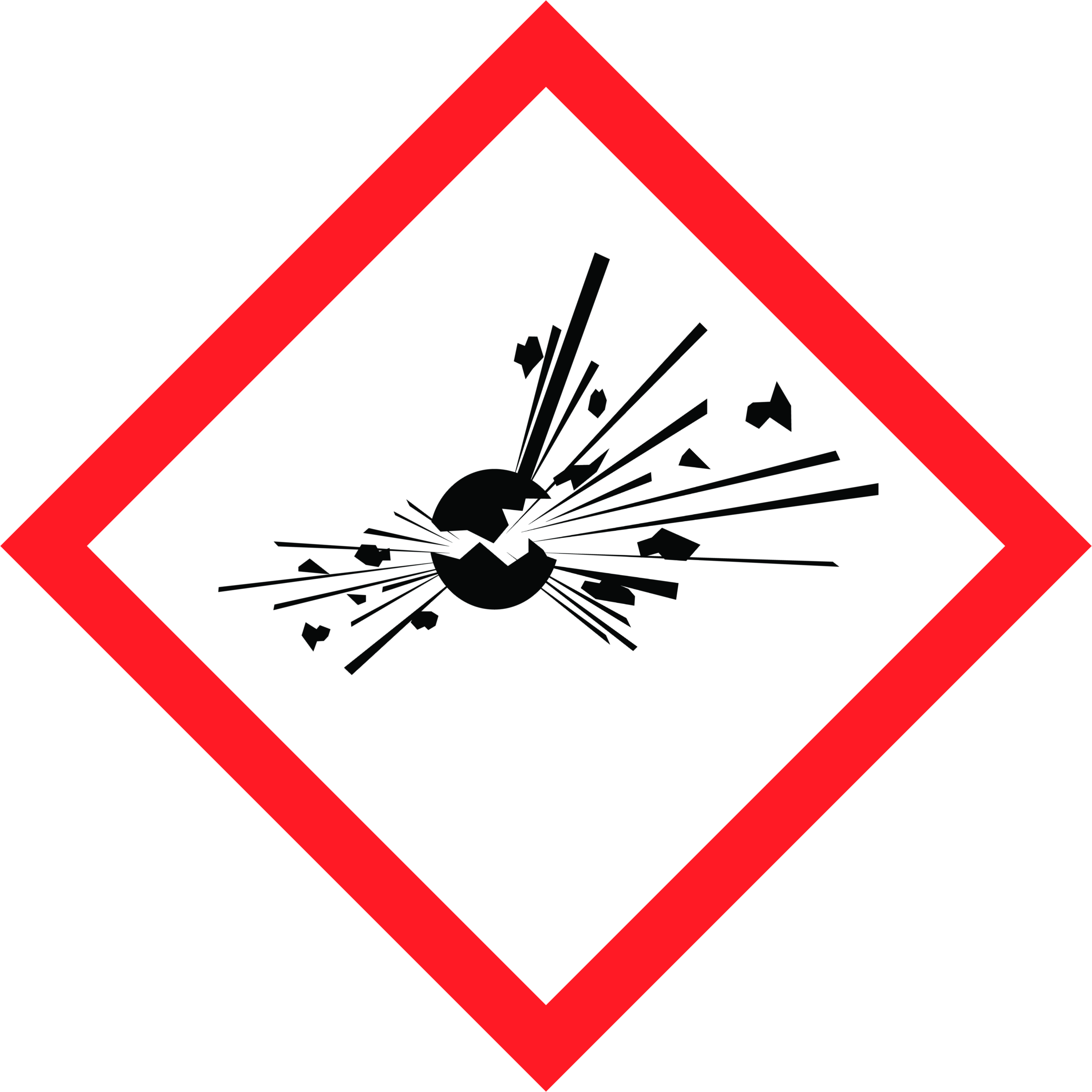
Explosive substances are among the most dangerous chemical hazards due to their ability to react violently under certain conditions. These materials can detonate when exposed to heat, flame, shock, friction, or even slight mechanical disturbance. The energy released during an explosion can cause catastrophic damage, resulting in severe injuries, fatalities, and destruction of property.
This category includes not only traditional explosives but also self reactive substances and organic peroxides that can become unstable during storage or handling. What makes these materials particularly dangerous is their unpredictability. A small deviation in temperature, pressure, or handling method can trigger a reaction.
In workplaces, strict control measures are essential. Storage conditions must be tightly regulated, often requiring temperature controlled environments and separation from incompatible substances. Only trained and authorized personnel should handle explosive materials, and quantities should always be minimized.
Example: Fireworks are a common example, but in industrial settings, certain chemical compounds used in manufacturing processes may also fall into this category.
GHS02
Flammable
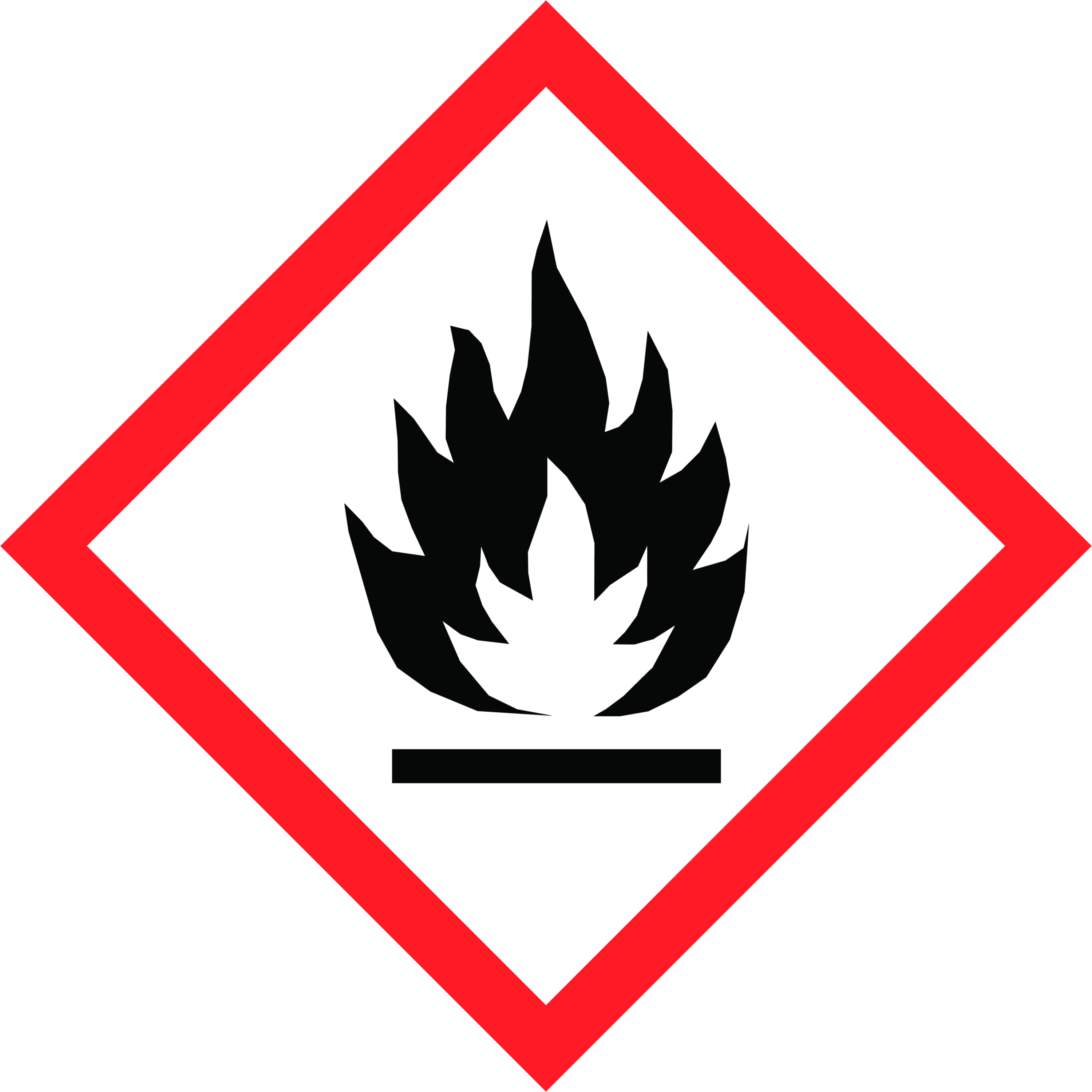
Flammable substances are those that can easily ignite when exposed to a heat source, spark, or open flame. This category includes gases, liquids, and solids that have low ignition points and can rapidly catch fire under normal working conditions.
The risk with flammable substances is not limited to open flames. Static electricity, hot surfaces, and even friction can act as ignition sources. Vapors from flammable liquids can travel and ignite at a distance, creating unexpected fire hazards.
Proper storage and handling are critical. These substances must be kept away from ignition sources, stored in well ventilated areas, and handled using equipment designed to prevent sparks. Grounding and bonding are often required to control static electricity.
Example: Spirit, acetone, and aerosol paints are common flammable substances found in many workplaces.
GHS03
Oxidizing
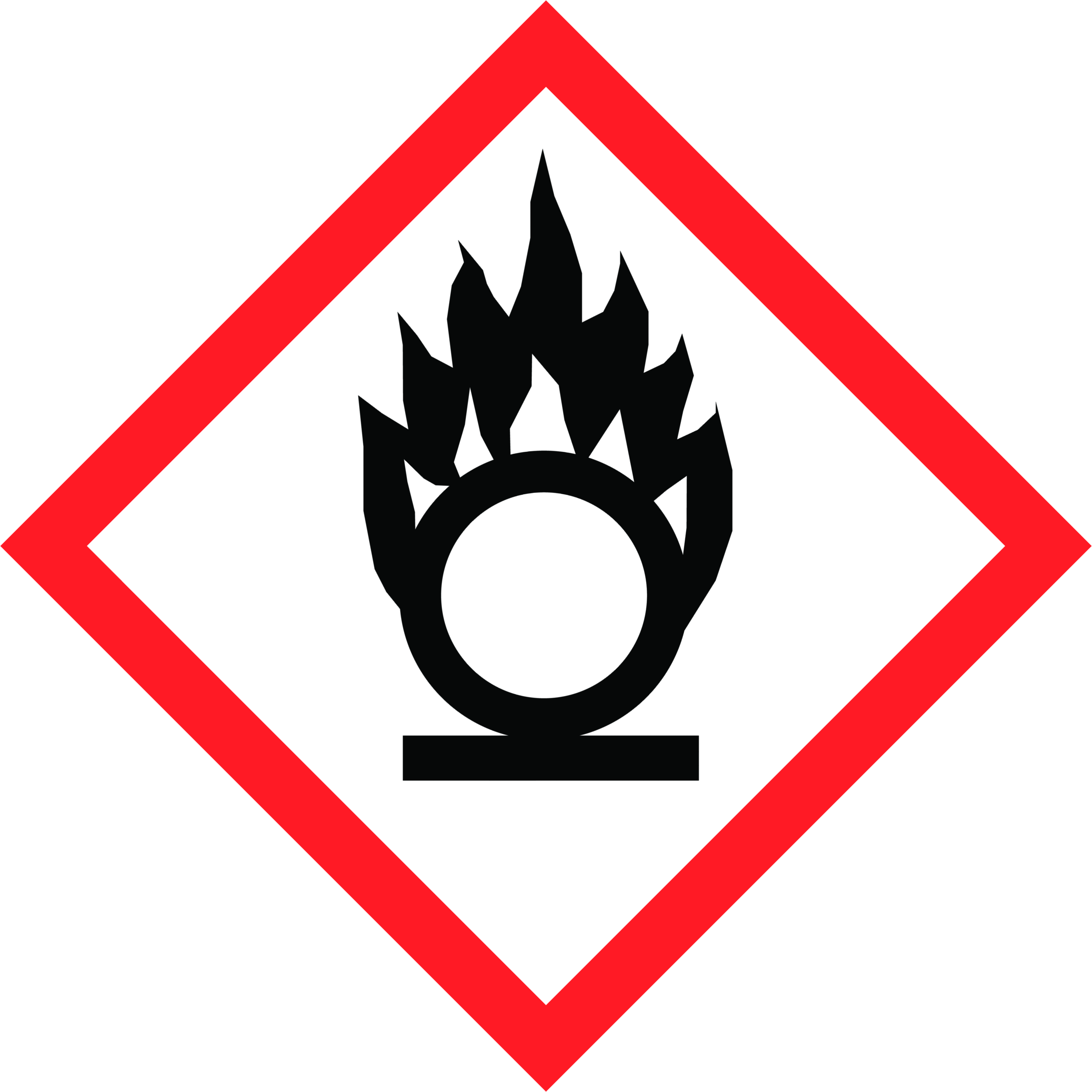
Oxidizing substances are not necessarily flammable themselves, but they significantly increase the intensity of a fire. These chemicals release oxygen or similar substances, which can cause other materials to burn more rapidly and violently.
The presence of oxidizers can turn a small fire into a major incident within seconds. Materials that are normally stable may ignite in the presence of strong oxidizing agents. This makes segregation extremely important.
Handling oxidizers requires strict separation from flammable and combustible materials. Storage areas must be clearly designated, and incompatible substances must never be mixed.
Example: Pure oxygen and chlorine gas are strong oxidizing agents commonly used in industrial processes.
GHS04
Compressed Gas
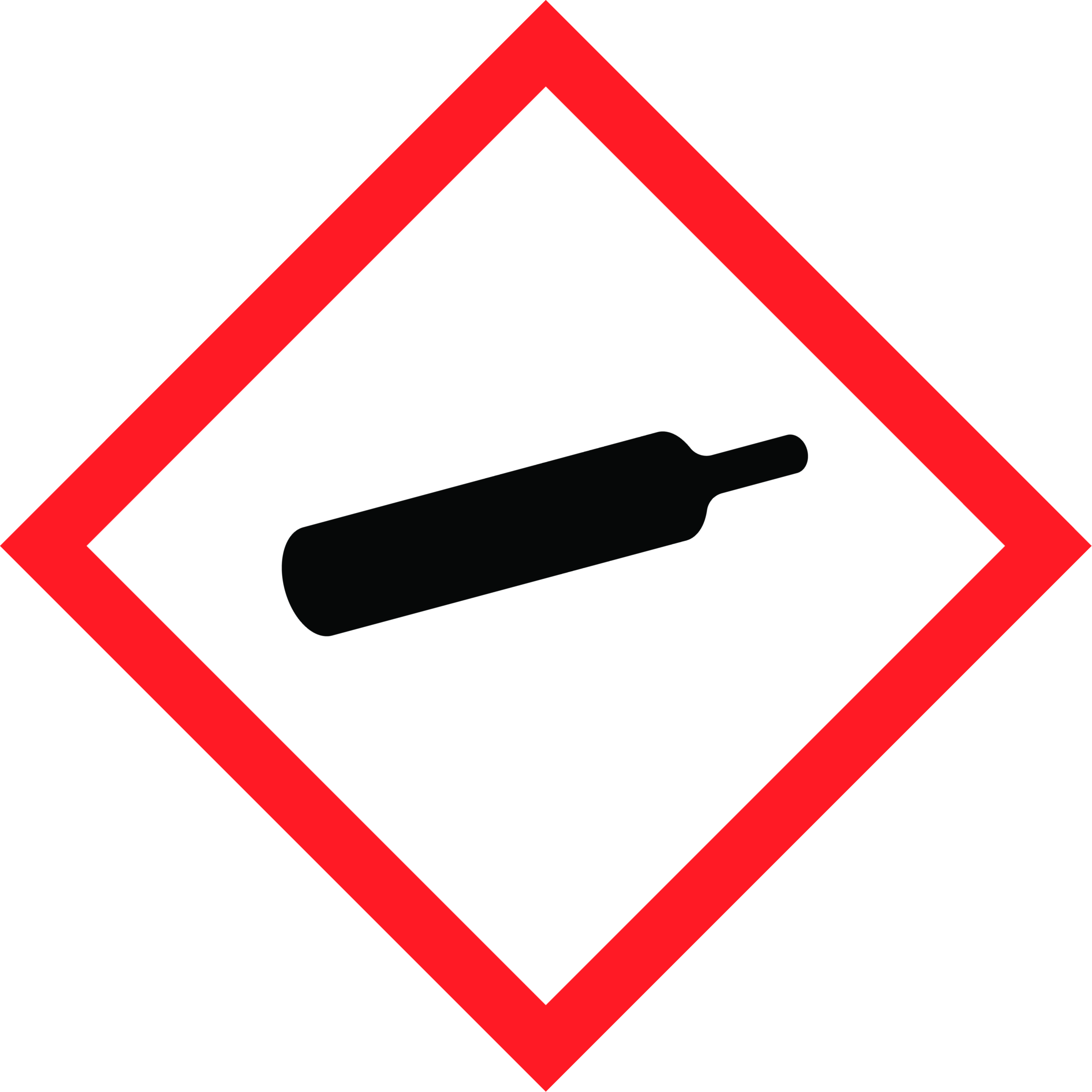
Compressed gases are stored under high pressure, which introduces a unique set of hazards. Even if the gas itself is not flammable or toxic, the pressure inside the cylinder can cause serious incidents if not properly managed.
If a cylinder is damaged or exposed to high temperatures, it can rupture or explode. Additionally, rapid release of gas can turn a cylinder into a projectile, causing severe injuries.
Proper handling includes securing cylinders in an upright position, protecting them from physical damage, and ensuring that valves are properly closed when not in use. Transportation must also be carefully controlled.
Example: Oxygen cylinders used in medical and industrial applications are a common example.
GHS05
Corrosive
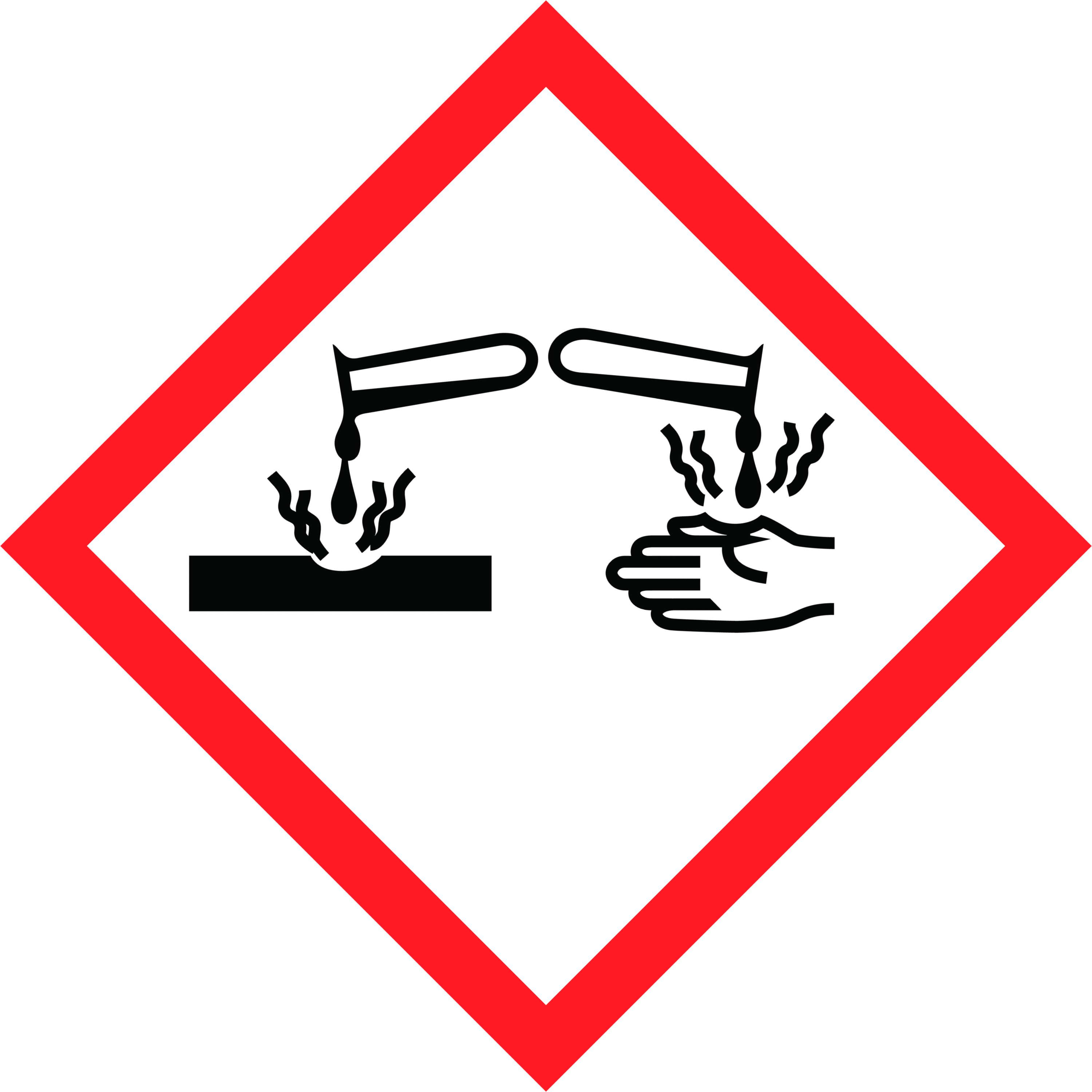
Corrosive substances can cause severe damage to living tissues and materials upon contact. These chemicals can burn the skin, destroy eye tissue, and corrode metals, leading to both personal injury and equipment failure.
Exposure to corrosive substances can result in immediate pain and long term damage. Inhalation of corrosive vapors can also harm the respiratory system.
Handling these substances requires the use of appropriate personal protective equipment such as gloves, face shields, and chemical resistant clothing. Emergency facilities like eyewash stations and safety showers must be readily available.
Example: Drain unblockers and strong acids or alkalis are typical corrosive substances.
GHS06
Toxic
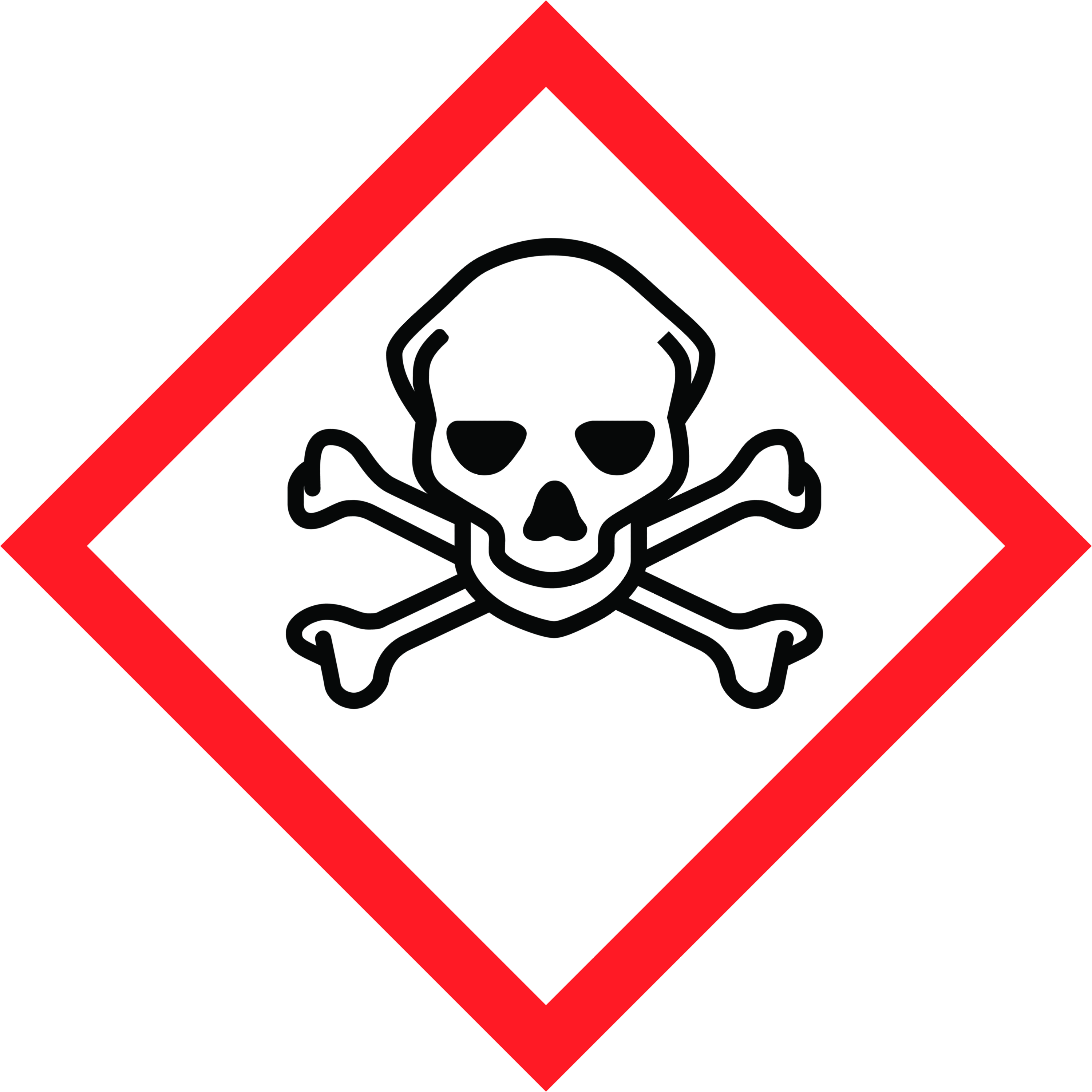
Toxic substances represent a severe health hazard and can be fatal even in small amounts. Exposure can occur through inhalation, ingestion, or skin absorption.
These chemicals act quickly and can affect vital organs, leading to serious illness or death. Because of their high risk, strict control measures are necessary.
Access to toxic substances should be limited to trained personnel, and handling procedures must be strictly followed. Proper labeling, storage, and emergency response planning are essential.
Example: Antifreeze and certain de icing agents can be toxic if ingested.
GHS07
Harmful, Irritant, Sensitising
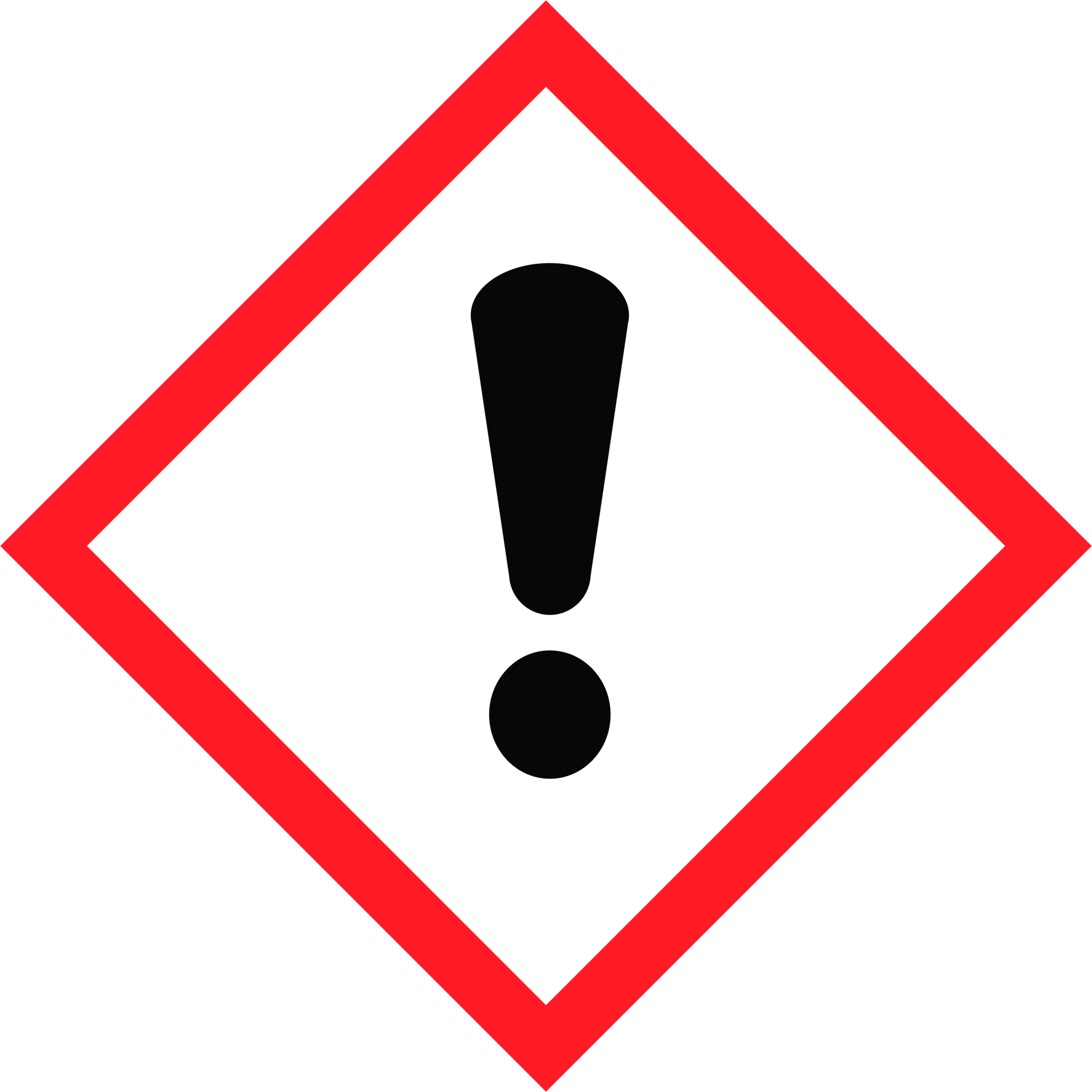
This category covers substances that may not be immediately life threatening but can still cause harm through irritation or sensitization. These effects may include skin irritation, eye discomfort, or respiratory issues.
Repeated exposure can lead to chronic conditions such as dermatitis or allergic reactions. Sensitization means that even small exposures can trigger strong reactions over time.
Preventive measures include avoiding direct contact, using protective equipment, and ensuring proper ventilation.
Example: Washing liquids and dishwasher tablets are common household examples that fall into this category.
GHS08
Long Term Health Hazard
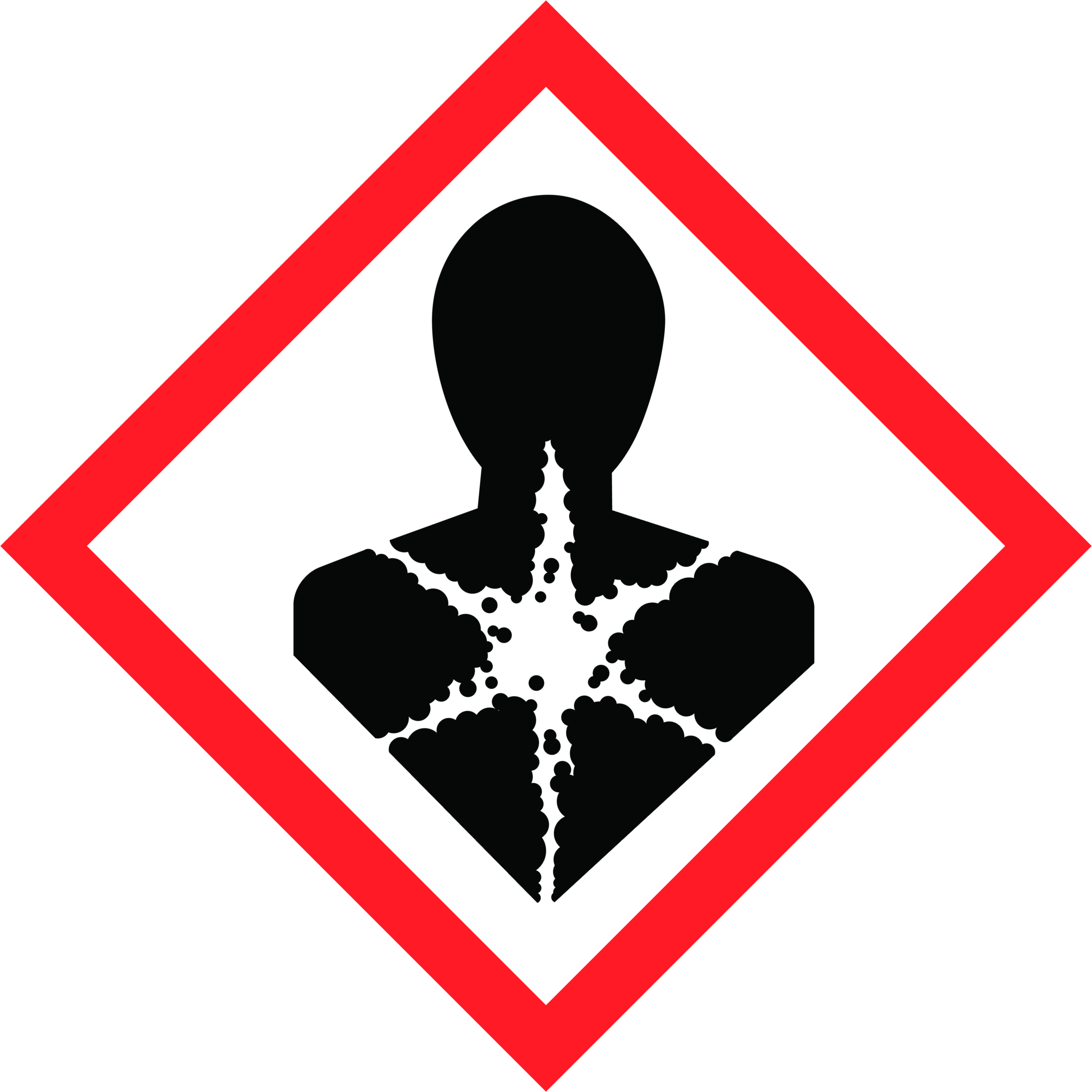
This symbol represents substances that can cause serious long term health effects. These include carcinogenicity, reproductive toxicity, organ damage, and respiratory sensitization.
Unlike acute hazards, the effects of these substances may not be immediately visible. Damage can occur over time with repeated exposure, making them particularly dangerous.
Control measures must focus on minimizing exposure through engineering controls, monitoring, and health surveillance programs.
Example: Paint thinners and certain industrial solvents are known to pose long term health risks.
GHS09
Hazardous to the Environment
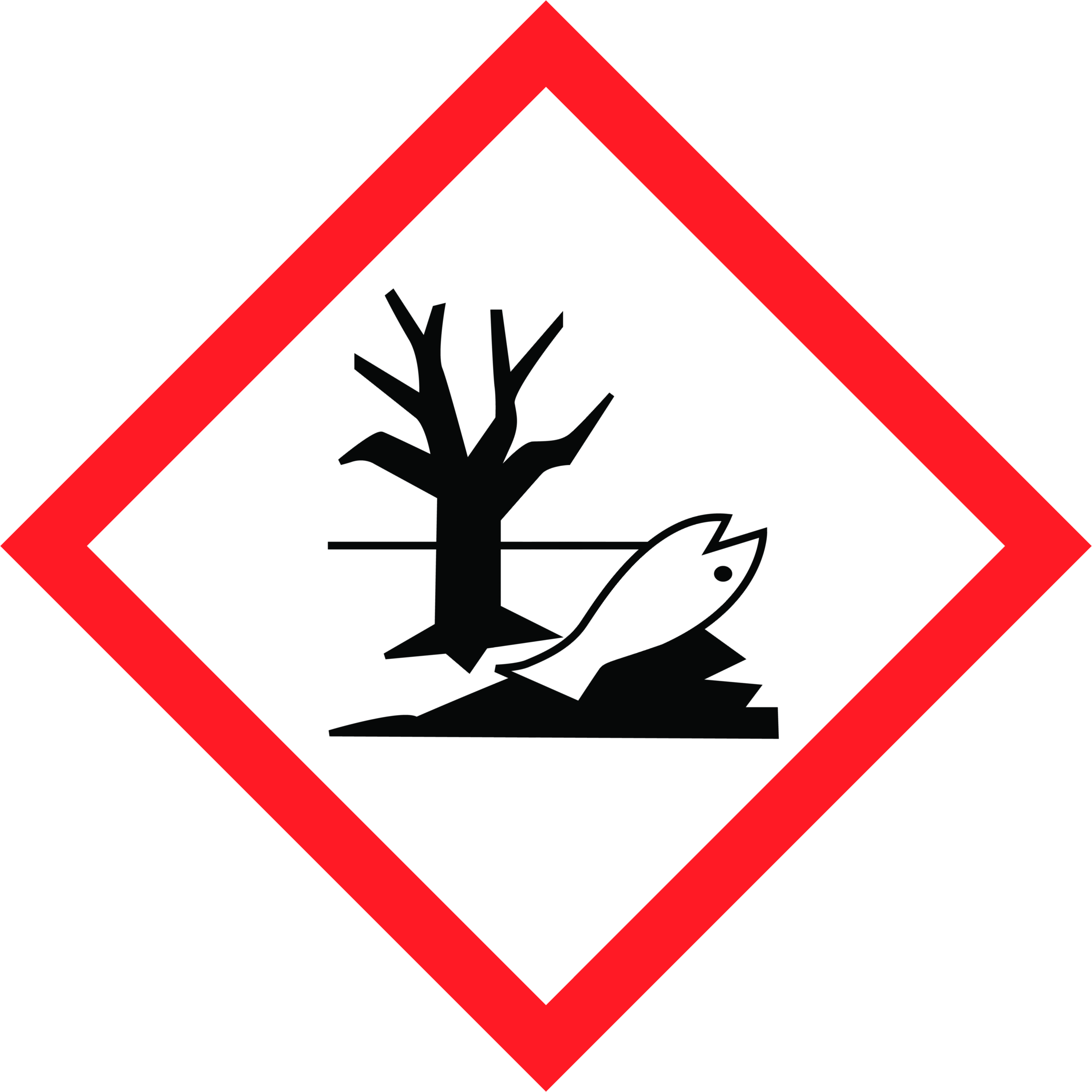
Environmental hazards refer to substances that can cause harm to ecosystems, particularly aquatic life. Even small quantities released into the environment can have long lasting effects.
These chemicals may accumulate in water bodies, affecting fish, plants, and other organisms. The impact can extend through the food chain, ultimately affecting human health.
Proper disposal, spill prevention, and environmental protection measures are essential when handling such substances.
Example: Plant protection products such as pesticides are common environmental hazards.
Conclusion
Understanding the Globally Harmonized System is not just a regulatory requirement; it is a fundamental skill for anyone working in a modern industrial environment. The pictograms, signal words, and standardized phrases create a visual and linguistic bridge that transcends borders and languages. However, the system is only effective if it is supported by continuous education and a culture of vigilance. When every employee can look at a container and instantly understand the risks, whether it is an Exploding Bomb or a Dead Tree, the workplace becomes significantly safer. By embracing GHS, organizations move beyond simple compliance and toward a truly global standard of care for their people and the planet.
Understanding GHS symbols is one of the most fundamental aspects of chemical safety. Each pictogram tells a story about the risks associated with a substance and the precautions required to handle it safely.
In real work environments, these symbols are often the first and fastest way to recognize danger. Ignoring them or misunderstanding them can lead to serious consequences.
A strong safety culture ensures that every worker can identify these symbols, understand their meaning, and act accordingly. When this knowledge is combined with proper training, procedures, and leadership commitment, it significantly reduces the risk of incidents and protects both people and the environment.